

Earth Day 2026 UK: What “Our Power, Our Planet” Really Means and Why It Matters

Published: 22 April 2026 | Category: Environment and Climate | Reading time: 8 minutes

Earth Day 2026 UK falls on Wednesday 22 April, and this year the message from organisers, campaigners and communities could not be clearer: the future of the planet does not depend on any single election, any single government, or any single leader. It depends on all of us. The theme for this year’s global observance is “Our Power, Our Planet” — and in Britain in 2026, those five words carry a weight that feels both urgent and genuinely hopeful in equal measure.
The theme reflects a fundamental truth: environmental progress doesn’t depend on any single administration or election. It is sustained by the daily actions of communities, educators, workers and families protecting where they live and work. Earth Day In a political landscape where climate commitments are routinely made, broken, delayed and debated, that message resonates with a public that is tired of waiting for someone else to act.
This is the 56th Earth Day. What started as a series of campus teach-ins in the United States in 1970 has grown into the world’s largest civic environmental event, mobilising over a billion people each year across more than 190 countries — and it continues to shape policy, spark innovation, and push businesses to raise their standards. 1st Formations In the UK, from the streets of London to community clean-ups in rural England, this year’s events reflect both how far the country has come on sustainability — and how far it still needs to go.
What Is Happening Across the UK Today

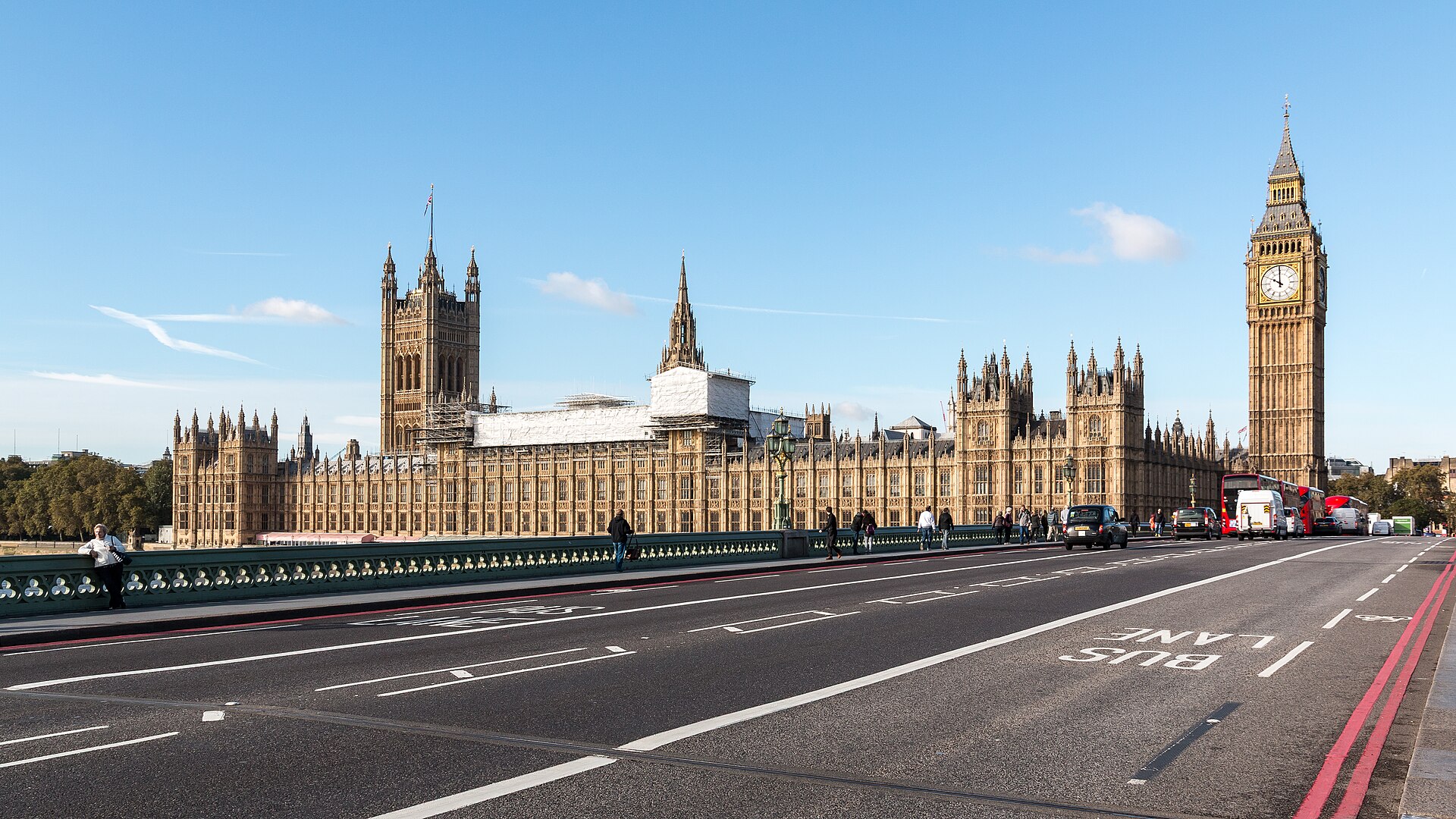
In London, one of the most visible events of the day is a march and rally bringing together a wide coalition of faith groups, environmental activists and community organisations. A powerful coalition including Extinction Rebellion UK, Friends of the Earth, Greenpeace, the Green Party and Christian Climate Action assembled at Trafalgar Square this morning for a march to Parliament Square. The event includes a walking meditation, a rally challenging the government to uphold what organisers call a “sacred, shared duty to protect the earth,” and a shared plant-based lunch. Christianclimateaction
More than 10,000 events have been registered across more than 180 countries as part of this year’s Earth Day campaign. Activities range from community cleanups and tree plantings to peaceful demonstrations, teach-ins, town halls with elected officials, voter registration drives and reforestation projects. All Blog Things In Britain, local councils, schools, charities and businesses have been organising their own Earth Week activities throughout the past several days, with the 22 April date serving as the focal point of a week-long push for engagement.
In communities across England, voluntary and community sector organisations have been encouraged to use Earth Day as a practical prompt — reviewing their environmental policies, joining local cleanup drives and making public commitments to sustainability. Environmental responsibility is increasingly seen not just as a moral obligation but as a practical requirement, with many contracting authorities and government bodies working towards Net Zero by 2050 expecting environmental performance to be part of how organisations are assessed when bidding for contracts or funding. Nottinghamcvs
The Theme and Why It Was Chosen for 2026
The theme “Our Power, Our Planet” reflects the role of people and communities worldwide in sustaining environmental protections that affect the cost of living, public health, infrastructure reliability and long-term stability. Environmental conditions influence food systems, water availability, energy access, disaster risk and economic resilience across all regions. Earth Day
The timing of the theme is deliberate. The group that coordinates the global campaign noted that 2025 saw more than 400 regulatory actions by the current US administration that rolled back environmental safeguards, yet local and community-level efforts in clean energy, resource conservation and pollution reduction have continued independently. All Blog Things The message to communities around the world, including in the UK is that progress does not stop when national politics moves backwards. Local action fills the gap, and it matters.
Rather than framing sustainability as the responsibility of governments and institutions alone, the 2026 theme underlines the idea that communities, neighbourhoods and individuals can still shape the future of the places they call home. Outlook Traveller
For a British public navigating rising energy costs, concerns about climate extremes and debates about the speed of the green transition, that framing speaks to something real. People want to feel that what they do in their own lives connects to something larger. Earth Day 2026 is built around making that connection visible.
The UK’s Renewable Energy Journey: Progress and Pressure

Earth Day this year arrives at a moment when the UK’s own clean energy story is genuinely worth telling, even if the full chapter is not yet written.
Renewable sources generated approximately 47 per cent of the UK’s electricity in 2023, the highest share ever recorded. Wind power was the largest single source of renewable electricity, generating approximately 29 per cent of total electricity. The UK is the world’s third largest offshore wind market, with over 14 GW of installed offshore wind capacity, and the government has set a target of 50 GW of offshore wind by 2030. BritClock
The UK was also the first major economy to legislate for net zero greenhouse gas emissions by 2050. The last coal power station in Great Britain, Ratcliffe-on-Soar, closed in September 2024, ending over 140 years of coal-fired electricity generation. BritClock That closure was a milestone that would have seemed impossible to most people a decade ago, and it deserves to be acknowledged as genuine, hard-won progress.
On solar, the picture is also moving in the right direction. The government’s ambition is to triple solar capacity to between 45 and 47 GW by 2030, creating tens of thousands of jobs across the country. Smaller solar projects are required to demonstrate a net biodiversity gain of 10 per cent compared to the site’s previous land use. GOV.UK That requirement — linking energy generation to ecological restoration — reflects a more joined-up approach to the green transition than Britain has seen before.
Great British Energy, launched in May 2025, has begun outlining its role in supporting clean energy generation and infrastructure, making progress in bolstering offshore wind supply chains and public sector solar rollout, working alongside the private sector. Iigcc The direction of travel is right. The pace is the question.
What Still Needs to Happen — and Quickly

The honest assessment of where Britain stands on climate is more complicated than the headline figures suggest. Despite progress in electricity, renewable energy’s share of total energy consumption — including heat and transport — is lower at approximately 22 per cent. Heat, the energy used to warm buildings and industrial processes, remains predominantly gas-fired. The Climate Change Committee has warned that current policies are insufficient to meet the 2035 target without significant additional action on heat, transport and industry. BritClock
To enable clean power by 2030, most new transmission grid and offshore wind projects will need all relevant planning permissions to be in place by 2026. The next two contracts for difference auctions, due in 2025 and 2026, will need to secure the bulk of the offshore wind capacity required to hit the target. Carbon Brief In other words, the decisions being made right now — including planning approvals, regulatory frameworks and investment decisions — will determine whether the UK meets its 2030 clean power goals. This is not a future problem. It is a present one.
The UK has recently identified biodiversity loss as a national-level risk, linking ecosystem decline to disruptions in food systems, water supply and public health. This has strengthened the focus of Earth Day activities, especially in schools and community programmes centred on biodiversity awareness. Earth Reminder
Why Community Action Matters More Than Ever
One of the most important things about Earth Day 2026 — and about this year’s theme in particular — is that it pushes back against the idea that individuals are powerless. That feeling of powerlessness is one of the biggest barriers to action on climate. When the problems seem too large and the solutions too distant, it is easy to disengage entirely.
Our Power, Our Planet positions this year’s Earth Day around a straightforward idea: that the power to drive environmental change is already distributed across communities, workplaces and everyday decisions, and that harnessing it collectively is how progress actually happens. 1st Formations
The practical evidence for that argument is strong. Since the first Earth Day in 1970, civic action has helped establish and strengthen environmental institutions, laws and international norms. These measures have been associated with reductions in pollution-related illness, improved access to clean water and long-term public health and economic benefits in many parts of the world. Earth Day The environmental movement did not succeed because governments decided to lead. It succeeded because enough people pushed governments to follow.
Earth Day 2026 affirms that environmental progress is real, resilient and ongoing despite policy uncertainty. Innovation, education and community problem-solving remain durable. Local systems — cities, schools and communities — continue implementing solutions that strengthen energy reliability, conserve resources and reduce risk because they are grounded in economic sense and public safety. Earth Day
How to Get Involved Today and Beyond

If you are reading this and wondering what you can actually do, the answer is more accessible than you might think. Every individual has the power to create change. Community cleanups, tree plantings, peaceful demonstrations, and contacting elected officials are all part of this year’s campaign. Free toolkits are available through EARTHDAY.ORG covering everything from community clean-up planning to faith gathering resources, all with step-by-step guides, safety guidelines and talking points. Earth Day
In the UK, local councils are running biodiversity and green space events throughout the week. Schools up and down the country are using today as a teaching moment — connecting pupils to the science of climate change, the history of environmental activism, and the practical steps they can take in their own lives and communities. Businesses are making public commitments to reduce their carbon footprints, improve supply chains and engage their employees in sustainability work.
None of it is enough on its own. But taken together, it adds up. That is precisely what “Our Power, Our Planet” means.
The world’s largest environmental day has now been running for 56 years. It began when 20 million Americans took to the streets to demand something better. Today, more than a billion people in 193 countries are part of the same movement. In the UK in 2026, on a day when London’s streets are filling with marchers and communities across the country are planting trees, cleaning rivers and holding conversations about the future they want to build — that movement is very much alive.